
Quick Summary
- Facelift surgery improves visible aging in the lower two-thirds of the face, including sagging cheeks, jowls, deep folds, and reduced jawline definition.
- Modern techniques reposition deeper facial tissues and remove excess skin to create smoother, longer-lasting results without an overly tight appearance.
- Available approaches include traditional, deep-plane, midface, subperiosteal, skin-only, and mini-facelift techniques.
- Most patients return to work within approximately 10 to 14 days, although swelling and healing may continue for several weeks or months.
- Fante Eye & Face Center personalizes treatment based on facial anatomy, skin quality, aging concerns, recovery preferences, and overall cosmetic goals.
- The deep plane face and neck lift is our most popular approach. Our surgeons perform 50-100 of these procedures per year.
Facelift surgery, also called rhytidectomy, is designed to improve visible signs of aging in the lower two-thirds of the face, including jowls, sagging cheeks, deep folds around the mouth, and loss of jawline definition. By repositioning deeper facial tissues and removing excess skin, a facelift can help create a smoother, more rested, and naturally refreshed appearance.
At Fante Eye & Face Center, patients from Denver, Greenwood Village, and surrounding Colorado communities receive facelift care from doctors with advanced experience in facial cosmetic and reconstructive surgery. Dr. Robert Fante has served Colorado patients for more than 20 years and is double board-certified, while both Dr. Levitt and Dr. Huang are ASOPRS-trained surgeons and ASOPRS Candidate Members. Together, the team focuses on individualized facelift planning that supports natural expression, facial balance, and long-lasting results. A facelift can help many patients look significantly more refreshed, with results that may last for many years.
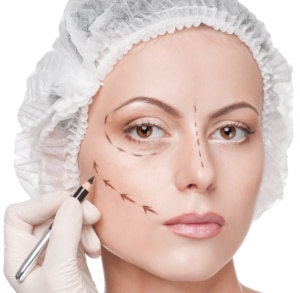
What is a Facelift?
There are some different types of ways to get a “facelift”.
-
Traditionally, it meant work on the jawline and neck, pulling them upwards to improve sagging, wrinkles, and jowls.
-
The term “full facelift” is sometimes used to mean the above, plus improvement of the upper cheeks.
-
In more recent years, the term has been used as a catch-all for any customized combination of procedures on the face, all of which are localized and specific. For example, you could have combinations such as:
- Lip augmentation and a neck lift;
- Cheek lift and laser skin resurfacing; or
- Eyelid surgery and a brow lift.
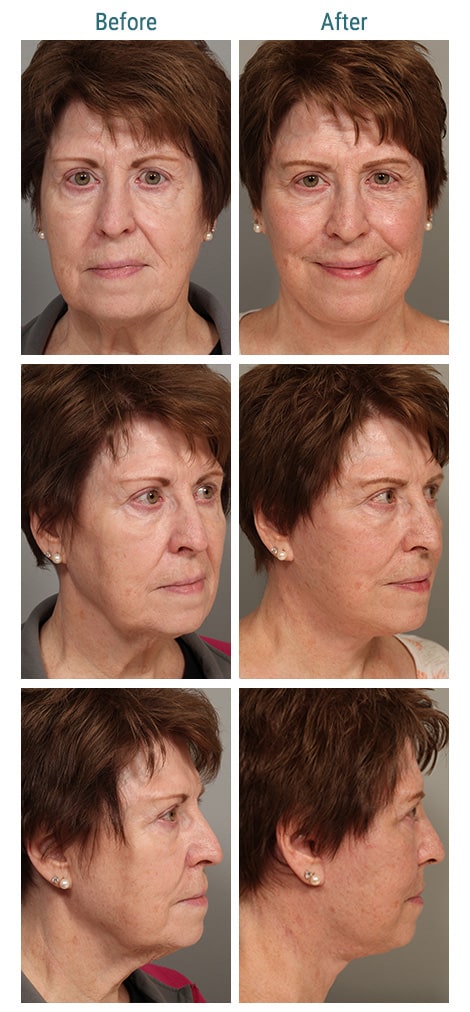
In general, you could define a facelift, or “rhytidectomy,” as a plastic surgery procedure on the lower two-thirds of the face to improve the most visible signs of aging. A facelift counteracts these signs by removing sagging skin, elevating the facial muscles and fat, tightening the muscles beneath the skin of the neck, and often removing excess fat from the neck.
Who is a Good Candidate for a Facelift?
If you are:
-
Over 30
-
In good general health
-
Not a longtime smoker
-
Willing to be realistic about the potential
You’re likely a candidate for some kind of facelift. The best candidates for a facelift want to correct more than one of the signs of aging. In recent years, younger people have been asking for them, and although a younger person can heal more quickly, there’s no ideal age for a facelift.
Your surgeon will explain all the possible procedures for your particular face, and together you can arrive at the best one, or the best combination of procedures.
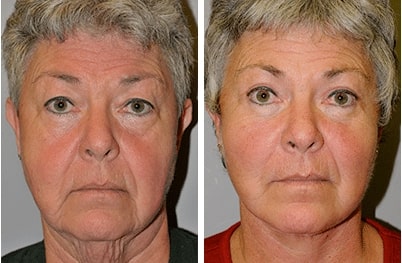
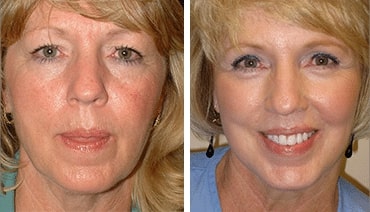
The Facelift Surgery Procedure
To start the facelift procedure, an incision is made on each side of your face. The incision typically begins behind the hairline near the temple, runs down in front and inside of the ear, and back behind the ear into the hairline. Another small incision may be hidden inside the upper lip, allowing your surgeon to access the cheek area and create a more natural facial balance.
From there, the fat and soft tissues are elevated, the muscles are tightened, excess skin and tissue removed, and the incision closed with very fine stitches or small metal clips. Your doctor will employ advanced techniques to enhance the three-dimensional contours of your face while minimizing potential complications.
Combining a Facelift With a Neck Lift
If you have a neck lift or neck liposuction at the same time, there may be a small incision under the chin. A facelift and neck lift is often combined with liposuction for the fatty pad that gradually forms under the chin as we age. The incision under the chin may also be used to help smooth the muscle bands in the neck or elevate nearby sagging glands.
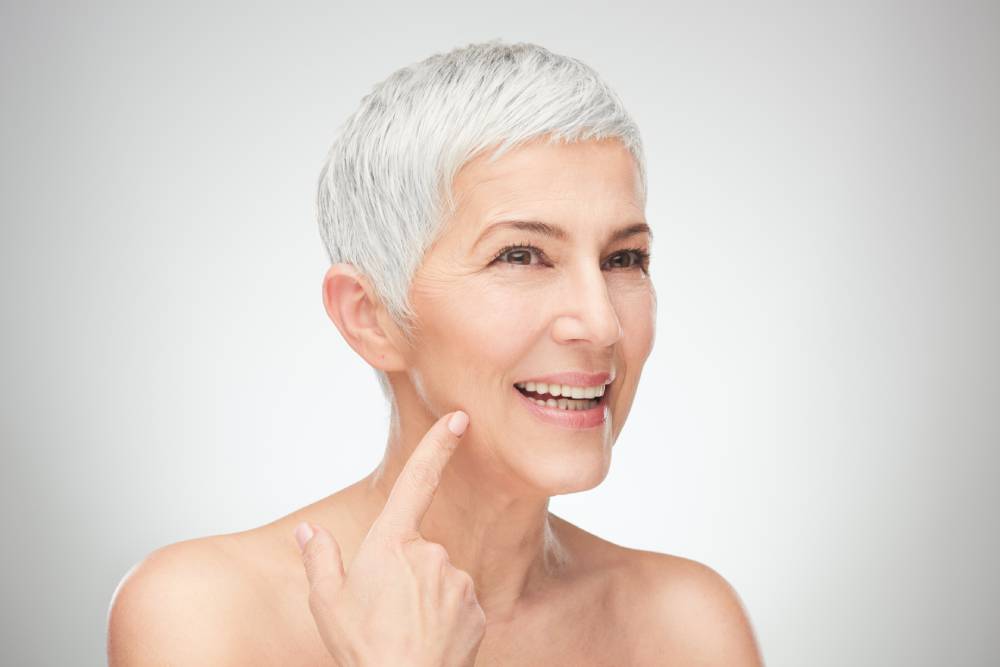
What is the SMAS?
SMAS stands for Sub-Muscular Aponeurotic System. And what’s that? It’s the layer beneath the skin, consisting of the facial movement muscles and supportive tissue that enable facial expression. Facial fat, blood vessels, and nerves are above and below this layer. The Deep Plane approach lifts all of these together for a harmonious, natural appearance.
Technique Spotlight: Deep Plane Facelift and Neck Lift
In early facelifts, only the skin was tightened, leaving the SMAS — the muscle and connective tissue beneath the skin — unchanged, which often created a “tightened” look: that expression of perpetual surprise most patients want to avoid. Later, in the 1990’s-2000’s, lifting the SMAS superficially near the ears became popular but sometimes still looked unnatural and didn’t last because the saggy, droopy parts of the SMAS weren’t lifted effectively.
Deep Plane face and neck lift refers to a group of advanced techniques that work at and under the SMAS in its mobile, sagging parts, directly lifting and restoring 3D contour to provide a more natural-looking result through surgical face and neck rejuvenation. The techniques are continually evolving, and many excellent strategies have become state-of-the-art foundations for this surgery, generating excitement among cosmetic surgeons and patients alike. Our surgeons are passionate about carefully evaluating the best new ideas and using them for our patients.
For our patients, deep plane face and neck lift techniques offer several specific advantages over traditional, skin-only facelifts:
- Less risk, faster recovery. Because deep plane techniques involve much less surgery directly under the skin, there’s less risk of skin damage, discoloration, hematoma (blood collection under the skin), and scarring — plus less swelling and bruising, so patients recover faster and return to work and daily life sooner.
- More delicate, less visible scars. Because the deeper structures carry more of the support, there’s much less tension on the skin sutures, allowing for finer, disappearing scars and safe, earlier removal of skin stitches.
- Longer-lasting, more natural results. Deep plane techniques lift the facial tissues that actually droop with age — tissues that tend to be more central in the face — for results that last longer and look more natural.
- More effective restoration of youthful contours. Deep plane techniques allow a more complete, safe release of the face’s anchoring ligaments, restoring youthful facial contours more effectively than skin-only approaches.
- Natural expression, not a “frozen” look. Because deep plane techniques tighten the deep tissues rather than just the skin, patients keep the softer, natural creases of a genuine smile, so expressions stay attractive and recognizably their own — an appeal that spans younger and older patients alike.
- Sharper jawline definition. By restoring the youthful architecture of the underlying muscles, fat, and glands, deep plane techniques improve the jawline and profile — subtly or dramatically, depending on the person — for a fitter, healthier, more youthful appearance.
- A cleaner neck and profile. Deep repair of the muscles and glands in the central neck restores natural angles there, for a cleaner profile and more natural look.
- Better results when combined with other procedures. The deep plane approach safeguards fat grafts and simplifies eyelid rejuvenation, so complementary procedures like fat transfer or blepharoplasty deliver more consistent, satisfying results and are less likely to need revision.
Our surgeons use deep plane variations for incisions around the ears, customized to each patient. Some patients may also have a small incision hidden in the natural crease under the chin. Generous, careful use of custom local anesthetic, sedation, or general anesthesia allows us to provide deep plane face and neck lift as an outpatient day surgery, even when combined with blepharoplasty, fat grafting, forehead lift, upper lip lift, laser skin resurfacing, or facial implants.
We typically perform 50-100 deep plane face and neck lifts annually, and most people have other complementary rejuvenation procedures at the same time.
From Fante Center surgeons, you can expect a thoughtful and judicious consultation beforehand, immense attention to detail during the surgery, and empathetic supportive care afterward. Book a consultation today – we look forward to meeting you.
Facelift Recovery
Our doctors will give you written instructions for your recovery period. Your doctor may also prescribe an antibiotic and pain medication for a short period. There’s usually not much pain, but you’ll be given a prescription for pain medication just in case. Swelling and bruising will subside within the first few weeks.
Your surgical team will wrap your lower face and upper neck in dressings and a spandex garment when you leave the surgery center. Our team will instruct you to wear the spandex facial garment and to sleep with your head elevated for the first week. Use pillows to prevent your head from turning while you sleep and use ice packs for the first day or two to minimize swelling.
Your sutures will typically be removed about one week after surgery. Incisions will fade to white, barely visible scars which can be further hidden with makeup. They are strategically placed partly under your hair, inside your ears, and/or within the normal creases of your skin. Temporary feelings of tightness and numbness disappear within a few weeks. Most people return to work after 10 to 14 days. You can start wearing makeup at about 10 days, but it may take more than 2-3 weeks for you to look your best.
Recovery may take longer depending on how extensive your facelift is. Minimal facelifts have a quicker and easier recovery, while facelifts combined with other procedures potentially involve longer swelling, slower recovery, and slightly more risk of complications.
Returning to Normal Activities After a Facelift
After surgery, you should rest at home, but you don’t need to stay in bed all the time. Most people feel a little tired but pretty well overall, and can take a walk or go out (perhaps with sunglasses and a hat!) within the first few days.
You can shower and wash your hair two days after surgery. Avoid vigorous physical activity such as prolonged bending, heavy lifting, and sexual activity, for at least 2 weeks. In addition, use alcohol only sparingly for the first two weeks.
Make-up Camouflage for Bruising After Surgery
What to Avoid After Facelift Surgery
Don’t have any dental procedures done for at least 6 weeks unless you need emergency care.
Don’t use any of these things for 3 weeks:
-
Tobacco products (including nicotine gum and patches)
-
Aspirin
-
Non-steroidal anti-inflammatory agents
-
Vitamin E
Facelift Scarring
All incisions leave scars. Scars fade over time, although it might take most of a year for the final results to be visible.
Facelift incisions are largely behind the hairline and therefore will leave barely visible scars. If they’re also around the ear, your hair can cover them pretty well there too.
Another factor with scars is that all patients are different when it comes to scarring. Heredity plays a role, and the exact outcome isn’t totally predictable in individual cases. However, it’s possible to repair scars that are too prominent with further minor surgery.

Types of Facelifts
Facelifts can be categorized by the type of incision required, the number of tissue layers treated, the specific facial area addressed, and the procedure’s invasiveness.
Traditional Facelift Surgery
A traditional facelift, also known as an SMAS facelift, tightens the lower face by lifting the skin and the underlying support layer. Incisions are typically made along each side of the face, beginning near the temple, continuing around the ear, and extending back into the hairline.
During the procedure, the SMAS layer is lifted to a higher position, excess skin is removed, and the remaining skin is carefully reshaped for a smoother, more youthful appearance. Liposuction below the chin or in the neck may also be performed when needed.
When performed well, a traditional facelift can provide long-lasting improvement for patients with more advanced facial sagging and laxity, while scars are usually well hidden within natural creases and the hairline.
Deep Plane or Full Facelift
The full or deep plane facelift is similar to the traditional facelift. Incisions are the same, your surgeon will detach the SMAS from the skin to lift both upwards. The difference lies in how deeply the surgery is performed in the mid-face to separate the SMAS from the muscles and nerves beneath it. To further improve the cheek or midface area, deep-plane release and elevation are performed using hidden incisions inside the mouth.
As with a traditional facelift, the SMAS is gently pulled up and back to restore youthful facial contours. The deep plane lift is often recommended as a more lasting solution for people with sagging cheeks who might otherwise consider fillers or implants.
Platysmaplasty
The platysma is the muscle below the neck skin. As we get older, it loses elasticity and develops ridges. A platysmaplasty is surgery to separate this muscle from the skin, remove the ridges (also known as bands or chords), remove excess skin, and reposition the remaining skin in a tighter position. This restores a youthful look to the neck and jawline.
The Subperiosteal Lift
This variation is a step beyond the deep plane facelift and a variation on the mid facelift. It works on the midface, lifting and repositioning the cheeks vertically, smoothing those folds, and giving the upper cheeks a fresher, more youthful shape. It works at a deep level, below the muscles, and right down to the bone. You enjoy longer-lasting results than procedures that lift only the skin layers, and the scars are entirely hidden, making it very desirable for working men and women who want subtle improvement without visible scars.
The Skin Lift
This variation lifts and repositions the skin for people who desire a less noticeable change in their appearance or who have previously had a facelift and want a touch-up.
The Mini-Facelift
The term ‘mini-facelift’ describes a somewhat temporary solution for younger people who do not need a true facelift. It is less invasive than the other methods described and may only work on a specific part of the face, depending on the individual’s needs. The smaller scope of a mini-lift often permits surgery to be performed in the office under local anesthesia.
The Endoscopic Mid-facelift
If you’re between the ages of 35 and 60, you might notice that your cheeks are sagging and the folds of skin around your nose (nasolabial folds) are starting to droop. The mid-facelift may be just what you are looking for. The mid-face is the central third of our face, from the lips to the eyes, including the smile lines and nasolabial folds.
With this procedure, several small incisions are made along the hairline and inside the mouth. Using an endoscope (a tiny camera at the end of a narrow tube), your surgeon can lift and reposition the fat, muscles, and soft tissues. The monitor view allows your surgeon to perform the procedure with enhanced visibility, control, and precision.
There is little scarring, which is usually virtually invisible. One side effect of a mid-facelift may be extra swelling, usually lasting three weeks. But after your procedure, you’ll notice an improvement in those nasolabial folds, your cheekbones will be fuller and more defined, giving you a much more youthful appearance, and your under-eye area will look better. When combined with a lower eyelid lift (blepharoplasty), the results can be very impressive.
Facelift FAQ Video
Alternatives To Facelift Surgery
A facelift is not the only option for facial rejuvenation. Depending on your concerns, our doctors may recommend alternatives or complementary treatments such as a neck lift, eyelid surgery, brow lift, fat grafting, laser resurfacing, chemical peels, Botox®, fillers, or nonsurgical skin treatments.
For patients with early signs of aging, nonsurgical treatments may help improve volume, texture, or wrinkles. For patients with more significant sagging, jowls, or jawline changes, surgery may offer a more appropriate result. During your consultation, our doctors can help determine whether a facelift or another treatment option is the best fit for your goals.
Frequently Asked Questions
The procedure takes about 2 to 4 hours under either local anesthetic and IV sedation or general anesthesia. Many people will choose general anesthesia. In any case, your doctor will always combine local anesthesia with either choice to minimize your need for medications. You can discuss the alternatives during your consultation.
After you recover, you’ll look more youthful and rested. Gradually, as you continue to age over the next few years, the tissues will relax. You’ll look better than you would have without the surgery for about 10 years.
To maintain facelift results, it’s important to adopt a solid skincare routine. It should include moisturizing and sun protection.
You may also want to incorporate medical-grade treatments like lasers or chemical peels. Non-surgical treatments such as fillers and Botox® Cosmetic can also prolong the effects.
Maintaining a healthy lifestyle, avoiding smoking, and protecting your skin from sun damage will also help your facelift results last longer.
It is generally safe to undergo a facelift if you’ve had previous facial surgery. However, it depends on factors such as:
-
The type of surgery
-
The time elapsed
-
The condition of the underlying tissues
During your consultation, your surgeon will evaluate your surgical history, scar tissue, and skin elasticity to determine the best approach.
While secondary facelifts are common, the procedure may be modified to account for any prior interventions. Choosing an experienced surgeon is essential for achieving optimal results and minimizing risks in such cases.
A well-executed facelift should not affect your ability to make natural facial expressions. Our doctors take great care to preserve the muscles and nerves that control expression.
Modern facelift techniques also focus on lifting deeper layers of tissue rather than just tightening the skin. This helps maintain a natural, youthful appearance while retaining a full range of motion for facial expressions.
A facelift can help address certain aspects of facial asymmetry, particularly those caused by sagging skin or volume loss.
During the procedure, excess skin is removed, and underlying tissues are tightened. This can result in a more balanced appearance.
However, if asymmetry is due to bone structure or muscle imbalances, additional procedures like fat grafting or fillers may be recommended. A thorough consultation with one of our surgeons will determine the best approach to achieve a more symmetrical look.
It’s generally advisable to wait 10 to 14 days before flying after a facelift.
Air travel shortly after surgery can increase the risk of swelling, discomfort, and complications. This is due to changes in cabin pressure and the potential for blood clots from prolonged sitting.
Additionally, patients should ensure they’ve followed up with their surgeon before flying. This allows them to confirm that their healing is progressing as expected.
Why Choose Fante Eye & Face Center for Facelift Surgery?
Facelift surgery requires careful attention to the skin, deeper facial tissues, jawline, cheeks, and neck. At Fante Eye & Face Center, our doctors take an individualized approach that focuses on restoring support and definition without creating an overly tight or artificial look.
The practice brings together more than 20 years of service to Colorado patients with specialized training in facial cosmetic and oculofacial plastic surgery. Dr. Robert Fante, Dr. Alexandra Levitt, and Dr. Amy Huang evaluate each patient’s anatomy, goals, skin quality, and degree of facial aging before recommending a facelift, neck lift, fat grafting, eyelid surgery, laser resurfacing, or nonsurgical treatment.
Because many patients benefit from a combination approach, our doctors will explain your options clearly and help you understand which plan may provide the most natural-looking improvement for your face.
Facelift Consultation in Denver, Greenwood Village, Castle Pines and Highlands Ranch
If jowls, sagging cheeks, deep facial folds, or loss of jawline definition are affecting your appearance, Fante Eye & Face Center can help you explore whether facelift surgery is right for you. During your consultation, our doctors will evaluate your concerns, discuss your goals, and explain whether a facelift, neck lift, fat grafting, eyelid surgery, skin treatment, or nonsurgical option may be appropriate.
To book a consultation with Fante Eye & Face Center in Denver, CO, serving patients from Greenwood Village, Castle Pines and the surrounding communities, call (303) 839-1616 today.