
Floppy eyelid syndrome is a condition in which the upper eyelids become unusually loose and may easily turn outward or inward, especially during sleep or when rubbing the eyes. This eyelid laxity can interfere with normal tear distribution and may lead to chronic redness, irritation, tearing, discharge, morning discomfort, and repeated inflammation of the eye surface.
At Fante Eye & Face Center, patients from Denver, Greenwood Village, and surrounding Colorado communities receive evaluation and treatment for floppy eyelid syndrome from doctors with specialized training in eyelid function, ocular surface health, and oculofacial plastic surgery. Dr. Robert Fante is double board-certified and a fellow of the American Society of Ophthalmic Plastic and Reconstructive Surgery, while both Dr. Levitt and Dr. Huang are ASOPRS-trained surgeons and ASOPRS Candidate Members. This focused experience helps the team address eyelid laxity with attention to eye comfort, tear function, eyelid stability, and long-term protection of the eye.
What is Floppy Eyelid Syndrome?
Floppy eyelid syndrome (FES) is a relatively common and underdiagnosed condition. It is characterized by gradually worsening laxity of the upper eyelids, resulting in eye irritation because tears are poorly distributed during blinking. In addition, the laxity leads to the eyelids easily turning inside out with eye rubbing and even while sleeping. People with FES may also experience chronic bouts of pink eye (conjunctivitis), including the development of bumps on the inner surface of the eyelid. Due to eyelid turning during sleep, FES may result in frequent redness and eye irritation upon waking.
Untreated FES may be associated with the following:
- Chronic eye irritation and redness
- Tearing and worsening of eye irritation in the mornings
- Mattering or discharge from the eyes
- Droopy upper eyelids
- Infection of the cornea (keratitis)
- Corneal ulceration
- Scarring
- Eyelashes that droop into the line of vision
- A loose and unstable lower eyelid
What Are the Treatment Options for Floppy Eyelid Syndrome?
Treatment for floppy eyelid syndrome is determined by the severity of the condition. Historically, patients have been advised to use a lubricating eye ointment to decrease irritation and to wear eye shields when sleeping to prevent the eyelids from turning over. When these strategies are ineffective or impractical, many patients seek to repair the functional problem with surgery.
What Causes Floppy Eyelid Syndrome?
Research studies have identified a few factors that may contribute to the development of floppy eyelid syndrome.
- Insufficient elastin in the eyelid. Floppy eyelid syndrome doesn’t just involve the skin. The tarsal plate, a layer of thick connective tissue, and the tendons that connect the eyelids to the eye socket (orbital) bones are also affected. Elastin is the natural chemical that helps the skin stay stretchy and elastic. It is what allows the skin to retract after being stretched. Elastin may be compromised by persistent mechanical stress. Studies indicate that patients with floppy eyelid syndrome tend to sleep face-down and usually have worse laxity on the side on which they typically sleep.
- Obstructive sleep apnea, OSA, is a common condition that occurs alongside floppy eyelid syndrome. This sleep disorder involves brief pauses in breathing during sleep. Most people with floppy eyelids also have obstructive sleep apnea, although it may be undiagnosed. If your ophthalmologist finds that you have FES, you should discuss the possibility of sleep apnea with your primary care provider, who may order sleep studies for further evaluation. This problem may be more common at higher altitudes and can contribute to feeling sleepy or lethargic during the day.
Floppy Eyelid Syndrome Case Study
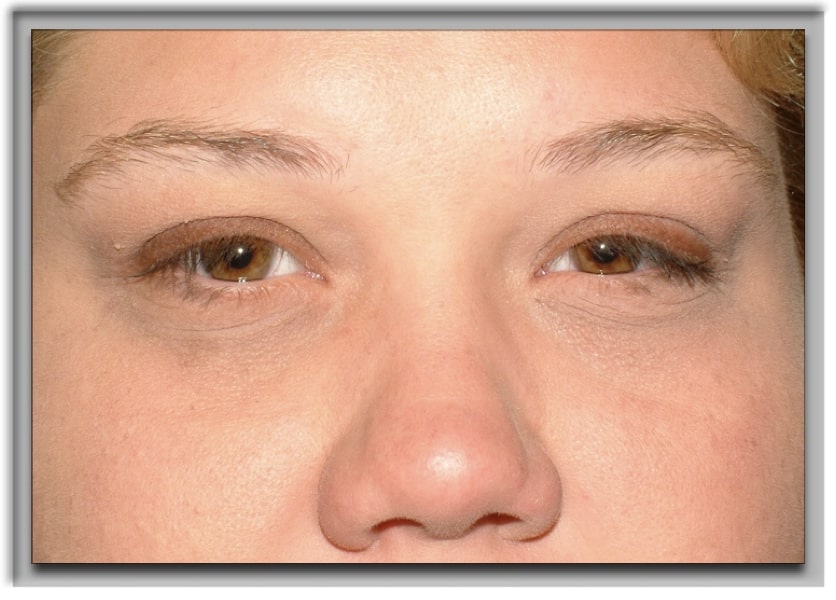
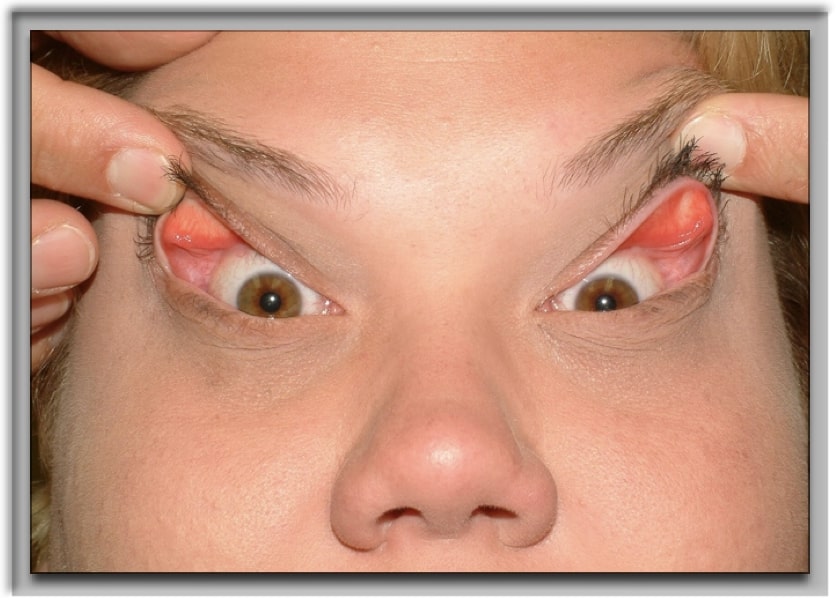
Floppy Eyelid Syndrome causes excessive upper eyelid laxity, permitting easy eversion (flipping the eyelid inside out) in a young person with obstructive sleep apnea. You can also notice both the Eyelid and eyelashes drooping.
What is Floppy Eyelid Surgery?
Floppy eyelid surgery typically involves horizontal tightening procedures to restore proper tension to the upper eyelids. Horizontal tightening may be achieved by tightening the tendons (canthopexy or canthoplasty) or by removing a small amount of loose tissue to tighten the eyelids (wedge excision technique).
Each procedure may take about an hour to complete for both eyes. Patients usually undergo horizontal tightening with local anesthetic and a mild sedative, typically at an ambulatory surgery center.
Canthopexy or canthoplasty is performed through small incisions at the outer corners of the eyes. The outer eyelid is repositioned and secured to the lateral rim of the eye socket, resulting in increased stability and a lower risk of future eyelid eversion.
The wedge excision technique removes a precise pattern of loose, full-thickness eyelid tissue to restore a smooth, firm eyelid that fits against the globe of the eye. Stitches are placed carefully to maintain normal contours, smooth inner surfaces, and hidden scars. This procedure may also correct droopiness of the upper eyelid.
How Long Will Results From Floppy Eyelid Surgery Last?
The surgical repair of FES is intended to permanently reduce persistent eye irritation and preserve the eye’s surface. Studies indicate that surgical tightening, along with appropriate management of obstructive sleep apnea, if applicable, can significantly reduce the risk of FES recurrence. That said, because every patient’s biology and lifestyle are unique, there is a possibility of subsequent recurrence years after surgery.
How Can I Prepare for Floppy Eyelid Surgery?
To properly address floppy eyelid syndrome, you can schedule a consultation with doctors who specialize in eyelid function and oculofacial plastic surgery. If you are a candidate for surgical intervention, our team will provide pre-surgical guidelines to help you prepare for your procedure. If you have any questions before your surgery, please do not hesitate to contact us.
In addition to navigating treatment to restore eyelid function, it is beneficial to also address the systemic condition that may exacerbate floppy eyelid syndrome. Studies have shown that the recurrence of FES decreases with CPAP treatment for obstructive sleep apnea. If you have been diagnosed with the sleep disorder, it is crucial that you comply with your management protocol. If you have FES, you should be evaluated for the possibility that you might have sleep apnea.
Finally, because surgical procedures are performed using sedation, you will need to arrange to have someone bring you to your surgery and see you safely home.
What is the Recovery Like After Floppy Eyelid Surgery?
Recovery from eyelid surgery is generally brief, with visible swelling and bruising for 1 to 2 weeks, rapid return of normal vision, and mild discomfort. You may take prescription pain medication for a few days if needed, though many patients can manage comfort with an over-the-counter pain reliever.
Talk to the office about which medications are suitable and which should be avoided. To prevent disruption of the eyelid, you may be advised to wear an eye mask while sleeping and to avoid sleeping on your stomach.
Are There Risks With Floppy Eyelid Surgery?
As with any eyelid surgery, floppy eyelid repair has potential risks. These may include swelling, bruising, bleeding, infection, scarring, asymmetry, irritation, dry eye symptoms, changes in eyelid position, undercorrection, overcorrection, or the need for additional treatment.
Complications are uncommon, but eyelid position and eye comfort are important after surgery. Our doctors will review the risks that may apply to your specific procedure and explain what to watch for during recovery.
Alternatives to Floppy Eyelid Surgery
Surgery is not always the first step for floppy eyelid syndrome. Depending on the severity of symptoms, conservative options may include lubricating eye ointment, protective shields during sleep, avoiding eye rubbing, changing sleep position, and addressing contributing conditions such as obstructive sleep apnea.
When these measures are ineffective or impractical, eyelid tightening surgery may be recommended to improve eyelid stability and reduce repeated irritation. During your consultation, our doctors can help determine whether nonsurgical management or surgical repair is most appropriate.
Floppy Eyelid Syndrome Consultation in Denver, Greenwood Village, Castle Pines and Highlands Ranch
If you are experiencing chronic eye redness, irritation, tearing, morning discomfort, eyelid looseness, or frequent eyelid turning, Fante Eye & Face Center can help evaluate whether floppy eyelid syndrome may be the cause. During your consultation, our doctors will assess your eyelid position, eye surface health, symptoms, and treatment options.
To book a consultation with Fante Eye & Face Center in Denver, CO, serving patients from Greenwood Village, Castle Pines and the surrounding communities, call (303) 839-1616 today.